سیول (Seoul): 600 سالہ زندہ دارالحکومت اور محفوظ ترین مستقبل کا شہر
Explore Joseon palaces, distinct Seoul neighbourhoods and practical ways to travel by metro.

License details
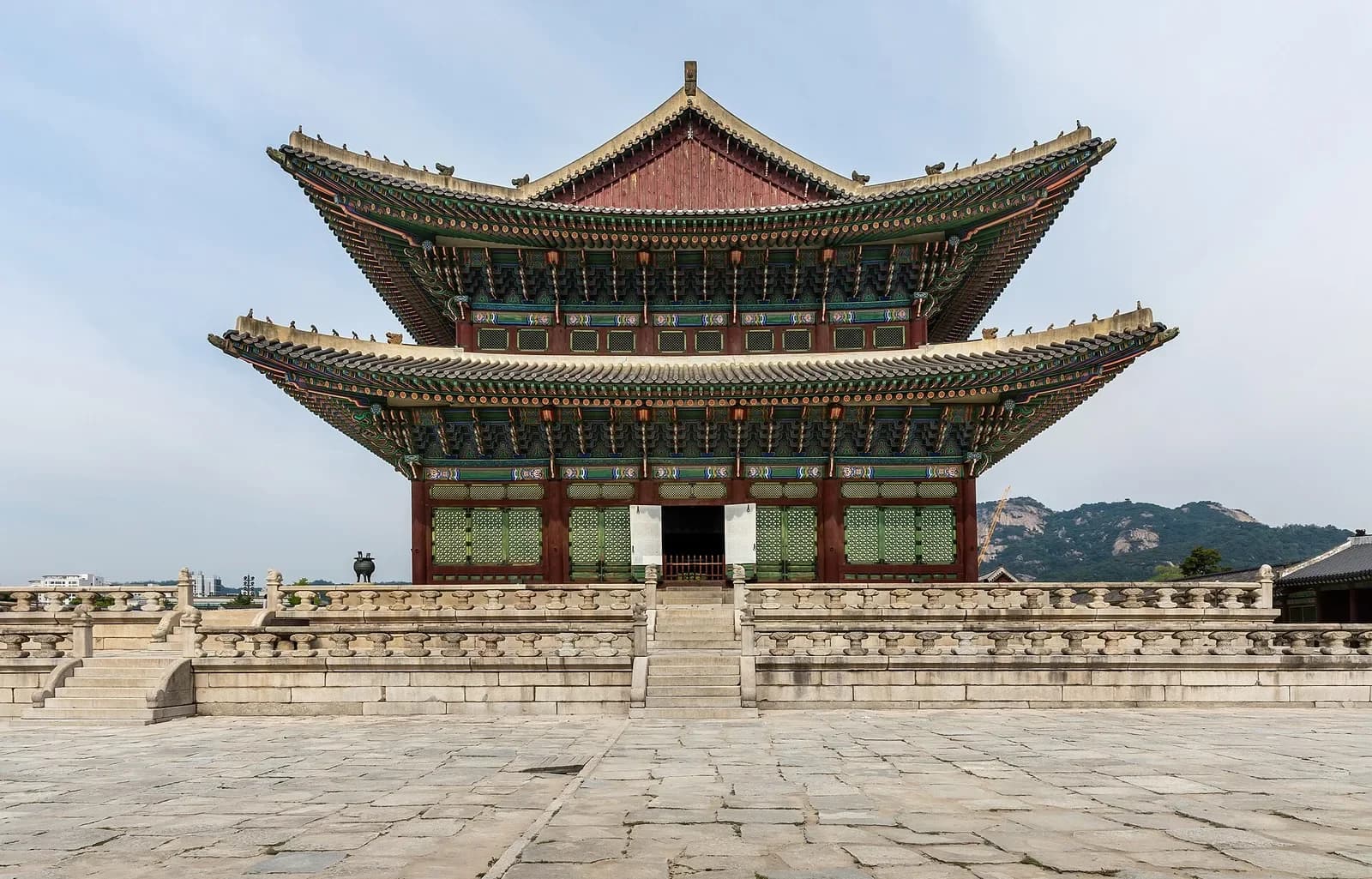
Front view of the Eastern side of the Imperial Throne Hall Geunjeongjeon at Gyeongbokgung Palace in Seoul.jpg — Basile Morin
· Resized · WebP conversion1. The Five Royal Palaces: Living History at the Core
When King Taejo chose Seoul (then named Hanyang) as capital in 1394, the metropolis was mapped in accordance with Feng Shui principles: encircled by four fortress mountains with the pristine Cheonggyecheon stream and mighty Han River flowing through its basin.
Today, stepping off an air-conditioned subway brings visitors directly to the front courtyards of Gyeongbokgung Palace or the enchanted Secret Garden of Changdeokgung (a UNESCO World Heritage site), where travelers clad in rented Hanbok walk among centuries-old timber eaves.
2. Getting Around by Metro
The metro connects Seoul with much of the capital region. For a palace or market visit, consult the operator’s map, interchange stations and the exit nearest your destination; the best route depends on where you start.
Facilities and services vary by station and train. Check station information when lifts, connectivity or other facilities matter to your journey rather than assuming universal availability.
3. A Mosaic of Distinct Quarters: From Bukchon Serenity to Gangnam Energy
Every neighborhood in Seoul boasts an unmistakable character: Bukchon Hanok Village features quiet alleys framed by tiled wooden eaves; Myeongdong hums with street food aromas and beauty storefronts; while Insadong celebrates traditional crafts and artisanal tea.
South of the river, Gangnam combines business districts, shopping and cultural spaces such as Starfield Library at COEX. Plan around opening hours and return transport, using the normal precautions appropriate to a large city.
Sources & Official Archives
🧭 کوریا کی دریافت جاری رکھیں
متعلقہ کہانیاں جو آپ کی تفہیم کو مزید گہرا کرتی ہیں:
عہد جوسون اور ہانگول کا انقلاب: کنگ سیجونگ نے حروف سے قوم کی تقدیر کیسے بدلی
How King Sejong created Hangul in 1443, and what the Hunminjeongeum published in 1446 explains about its letters and use.
کوریا کی روزمرہ زندگی: مکمل امن و امان، تیز ترین ڈیلیوری اور ٹپ نہ دینے کا کلچر
Practical context for visitors and residents: cafe customs, delivery services and tipping etiquette.
خود مختار مصنوعی ذہانت: دنیا کا تیسرا بڑا اے آئی پول بننے کا کورین عزم
How Korea develops indigenous foundational models to protect linguistic sovereignty and critical infrastructure, backed by national silicon.